
How to Pretreat Laundry Stains: What Works on Oil, Sweat, Food and Grass
A splash of cooking oil during dinner. Coffee on the way to work. Grass marks on a child’s pants after an afternoon outside.
These are ordinary moments, but they can leave stains that seem determined to stay. Knowing how to pretreat laundry stains is what separates a garment that comes out clean from one that carries a mark for months.
The instinct is often to throw the garment into the washing machine and hope for the best. Sometimes that works. Other times, the stain remains after the wash — or becomes much harder to remove once the garment has been through the dryer.
The difference often comes down to what happens before washing.
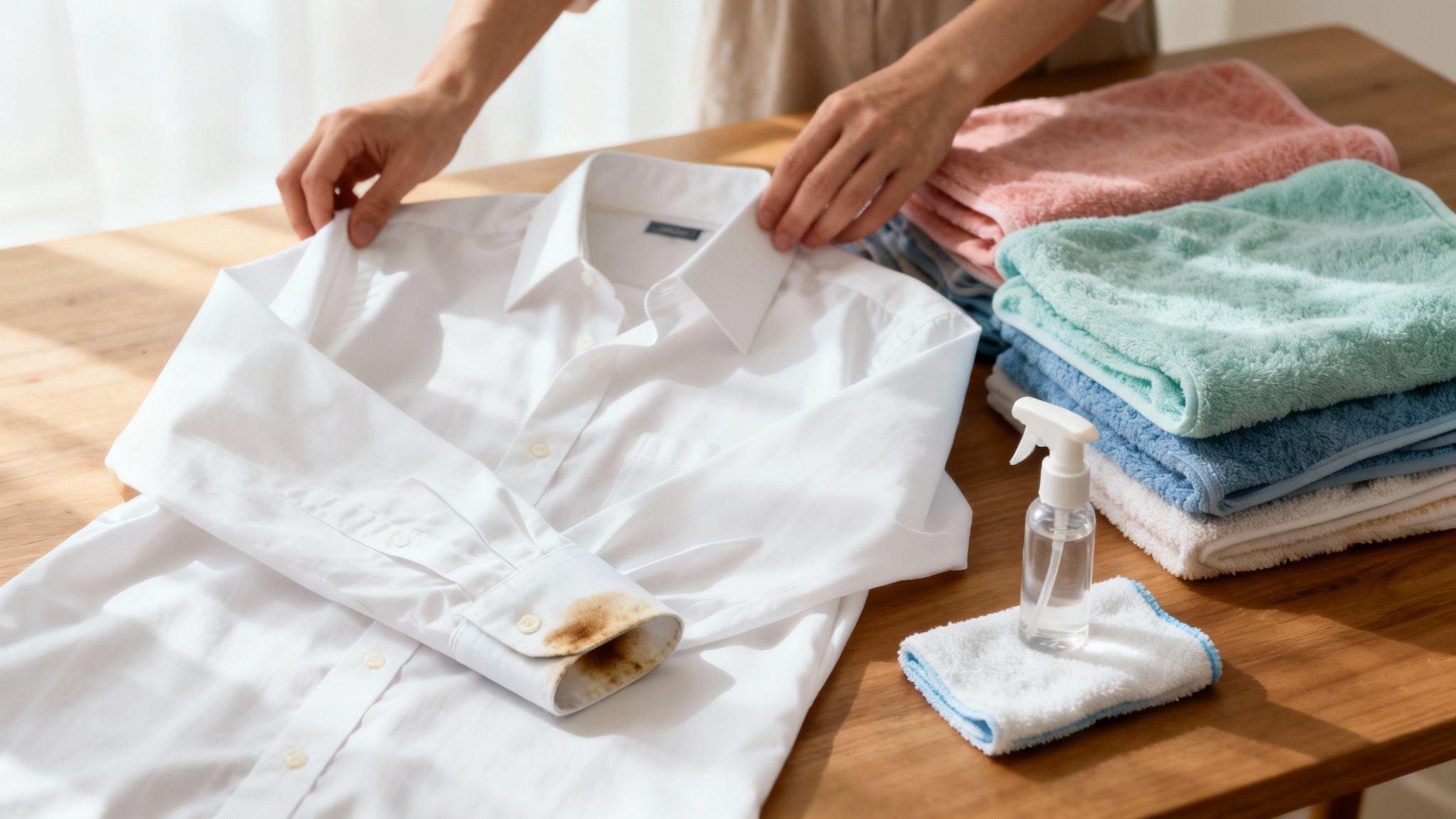
A small stain doesn’t have to ruin a favourite shirt.
Learning how to pretreat laundry stains means dealing with a stained area before putting the garment through a full wash cycle. The right approach depends on what caused the stain, the fabric involved and the care instructions on the label. These five methods cover the most common household stains.
Table of Contents
Oil and Grease: Treat the Spot First
Cooking oil, salad dressing and greasy food can leave marks that are difficult to shift with an ordinary wash alone. This is one of the most common reasons people search for how to pretreat laundry stains in the first place.
Blot away excess oil with a clean cloth. Apply a suitable prewash stain remover according to its instructions, then wash the garment using the warmest water permitted by its care label. An EcoLenity detergent sheet handles the main wash.
Avoid assuming that hotter water is always better — the fabric’s care instructions should guide your choice. Before drying, inspect the stained area under good light. If the mark remains, repeat the treatment rather than relying on another wash alone.
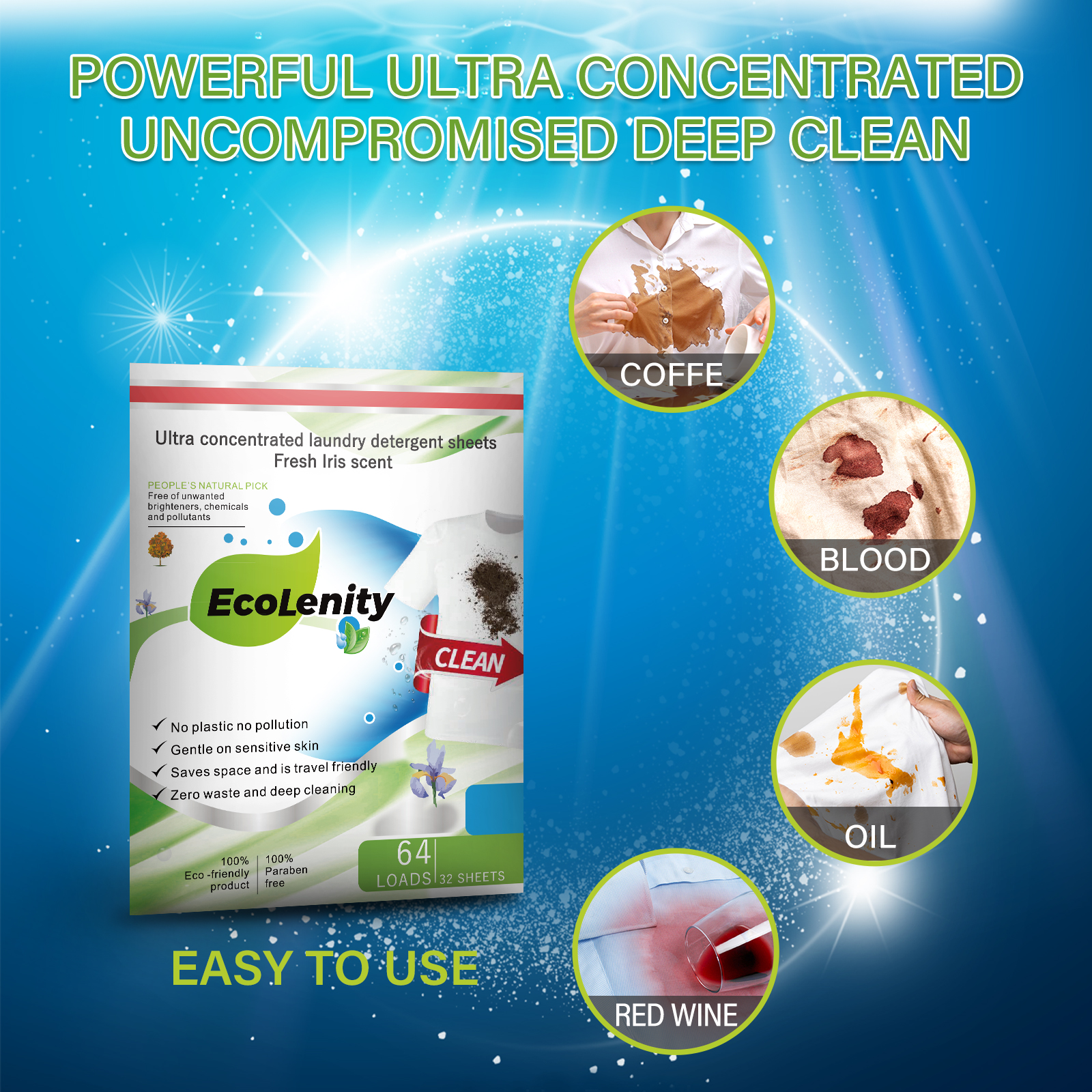
Concentrated care for the main wash — pretreatment handles the rest.
Sweat and Deodorant: Look Beyond the Yellow Mark
Sweat and deodorant can contribute to marks around collars, underarms and other areas where clothing comes into regular contact with the skin.
These marks do not always have the same cause, so one treatment will not work equally well for every garment. Start with a suitable stain remover, following the product directions, and let an EcoLenity detergent sheet handle the main wash. Wash at a temperature safe for the fabric. It helps to treat the area before it sits too long — a small point that makes a big difference once you understand how to pretreat laundry stains properly.
Be cautious with home remedies, particularly when combining cleaning products. Never mix chlorine bleach with ammonia or acids, as dangerous fumes may result.
Food Stains: Remove the Excess First
Food stains vary. Coffee, tomato sauce and dairy products contain different substances, so treatment depends on the spill.
Gently lift away leftover food without grinding it into the fabric. For many fresh food stains, rinsing from the back of the fabric with cool water can help flush the stain away. Then apply an appropriate stain remover and follow its instructions.
For certain protein-based stains, such as dairy or egg, an enzyme-containing laundry product may help if its label recommends that use.
Grass: Don’t Rely on the Wash Alone
Grass stains often appear on children’s clothing, sportswear and outdoor garments. Their pigments can cling to fabric, making pretreatment useful.
Apply a prewash stain remover suitable for the garment. An enzyme-containing product may help with grass stains; check the label before use. Use an EcoLenity detergent sheet for the main wash, and inspect the result before drying.
If the mark remains, treat it again. Repeating the same wash without addressing the stain may not improve the result.
The Most Important Step Happens After Washing
It is easy to assume a stain has disappeared when clothing comes out of the washer. Check before transferring it to the dryer.
Heat can make some remaining stains more difficult to remove. If you can still see the mark, pretreat and wash again before drying. For stubborn stains, use a stain remover designed for the fabric and the type of mark rather than applying several household products at once. Whirlpool Canada’s Ultimate Guide to Stain Removal recommends tackling a stain immediately, flushing it with cold water, spot testing on a hidden area, and inspecting the item before drying — the longer a stain sits, the harder it can be to remove. This final check is often the step that separates a clean result from a permanent mark, no matter how carefully you have learned how to pretreat laundry stains.
A More Thoughtful Laundry Routine
Good stain care doesn’t require a cupboard full of products. It starts with identifying the stain, treating it appropriately and giving the wash a fair chance to work. Once you understand how to pretreat laundry stains, the rest of the routine becomes straightforward.
EcoLenity laundry detergent sheets are designed for the main wash, while stubborn spots may need a separate pretreatment product before washing. Keeping those roles clear helps you choose the right approach without expecting one product to do everything.
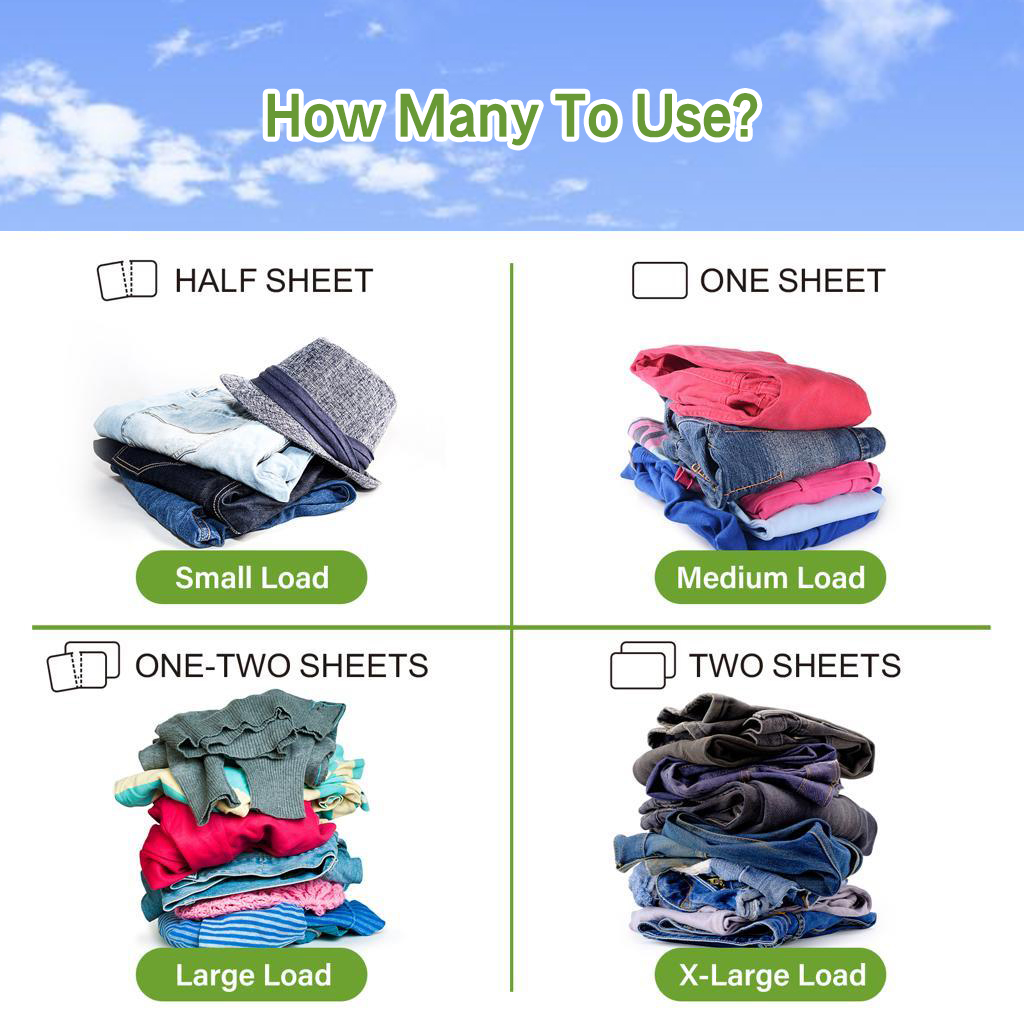
One sheet for the main wash. Pretreatment for the rest.
Clothes are part of everyday life. With a little attention before washing, you may be able to keep favourite pieces looking their best for longer. You can find more guidance in our article on how detergent sheets work in every machine.
Frequently Asked Questions
How do I pretreat a laundry stain?
Remove excess material first, then apply a suitable stain remover according to its instructions. For most stains, treating as soon as possible and checking the result before drying gives the best chance of full removal. Knowing how to pretreat laundry stains is really about building that habit. See how to protect dark garments during washing →
Should I use hot or cold water on stains?
It depends on the stain and the fabric. Cool water is a useful starting point for many fresh food and beverage stains, while some oily or heavily soiled items may benefit from warmer water. Always follow the garment-care label and stain-remover directions.
Can I put stained clothes in the dryer?
It is best to check first. If the stain is still visible, pretreat and wash the garment again before drying. Dryer heat can make some stains harder to remove. Read our guide on protecting fabric softness →
Can laundry detergent sheets pretreat stains?
Only use a detergent for pretreatment if its product instructions specifically allow it. EcoLenity laundry detergent sheets are intended for the main wash; for stubborn spots, use a suitable pretreatment product according to its label. See how to wash towels with detergent sheets →
Experience the EcoLenity Difference
Gentle on fabrics. Kind to the planet. Discover why families trust EcoLenity for premium, sustainable laundry care.
Shop EcoLenity TodayPremium Resources
Curated guides to help you go deeper — from building a sustainable home to mastering your laundry routine.