
The Pretty Pantry Problem: When Aesthetic Storage Goes Too Far
Cleaning product storage is often treated as a purely aesthetic choice. Open a cupboard where everything sits in its place and something in you exhales. Matching jars, tidy labels and carefully arranged shelves can make an ordinary laundry room feel considered, and it is easy to see why the look has travelled so far online. There is real comfort in a home that looks cared for, and nothing wrong with wanting one.
On social media, the routine is familiar: detergent poured into glass jars, cleaning liquids moved into matching bottles, original packaging tucked out of frame. The result is undeniably calm. What the photographs rarely show is what the product has lost along the way. A decanted liquid can no longer tell you what it contains, how much to use or what to do if something goes wrong.

A perfectly styled pantry can look beautiful, but safety should always come first.
Table of Contents
Cleaning Product Storage: Top 5 Proven Safety Tips
Safety groups have been watching the decanting trend closely. A survey conducted for the American Cleaning Institute by Wakefield Research found that more than half of American adults already store, or would consider storing, laundry products in decorative jars or clear containers. The institute warns that decorative containers can cause confusion about what is inside and may give children easier access. These five tips will help you organize without creating new risks.
Keep Products in Their Original Containers
Canadian guidance points the same way. Health Canada advises keeping household chemicals in their original containers, with labels and hazard symbols left uncovered and safety information retained. Its poison-prevention messaging has also highlighted the risk of brightly coloured laundry packets being mistaken for candy, advising consumers to keep them in their original child-resistant packaging.
The Ontario Poison Centre explains the practical reason: original packaging carries ingredient information, warning symbols and first-aid details that may be needed if someone is exposed to a product. It also advises against putting cleaners in containers normally used for drinking, such as water bottles.

Decanting laundry products can strip away essential safety labels and instructions.
Keep Labels and Safety Information Visible
Effective cleaning product storage means keeping the label readable. If you cannot see the warning symbols, dosage instructions or first-aid guidance at a glance, the package is not doing its job. Choose storage that lets you read the label without moving the container.
Store Out of Sight and Reach
Keep everything out of sight and reach of children and pets, away from food. This applies to every product, regardless of how it is packaged. Follow the storage instructions on each product and give each item a fixed place so nothing drifts onto a counter or low shelf.
Use Baskets and Trays Instead of Decanting
Baskets, trays and shelf dividers can create the calm that decanting promises without concealing important information. Choose storage that lets you read a label at a glance. A basket of original bottles looks just as tidy as matching jars and keeps the safety information intact.
Choose Compact Products That Save Space
Laundry is where this question often comes up, since it is where bulky bottles and mismatched boxes tend to gather. EcoLenity laundry detergent sheets come flat and pre-measured. A box holds 64 sheets, with one recommended for a regular load and two for larger loads such as bedding and towels. Without a jug and measuring cap to house, the box slips into a drawer, basket or shelf. Its five-year shelf life also makes it practical to keep on hand when stored according to the packaging instructions.
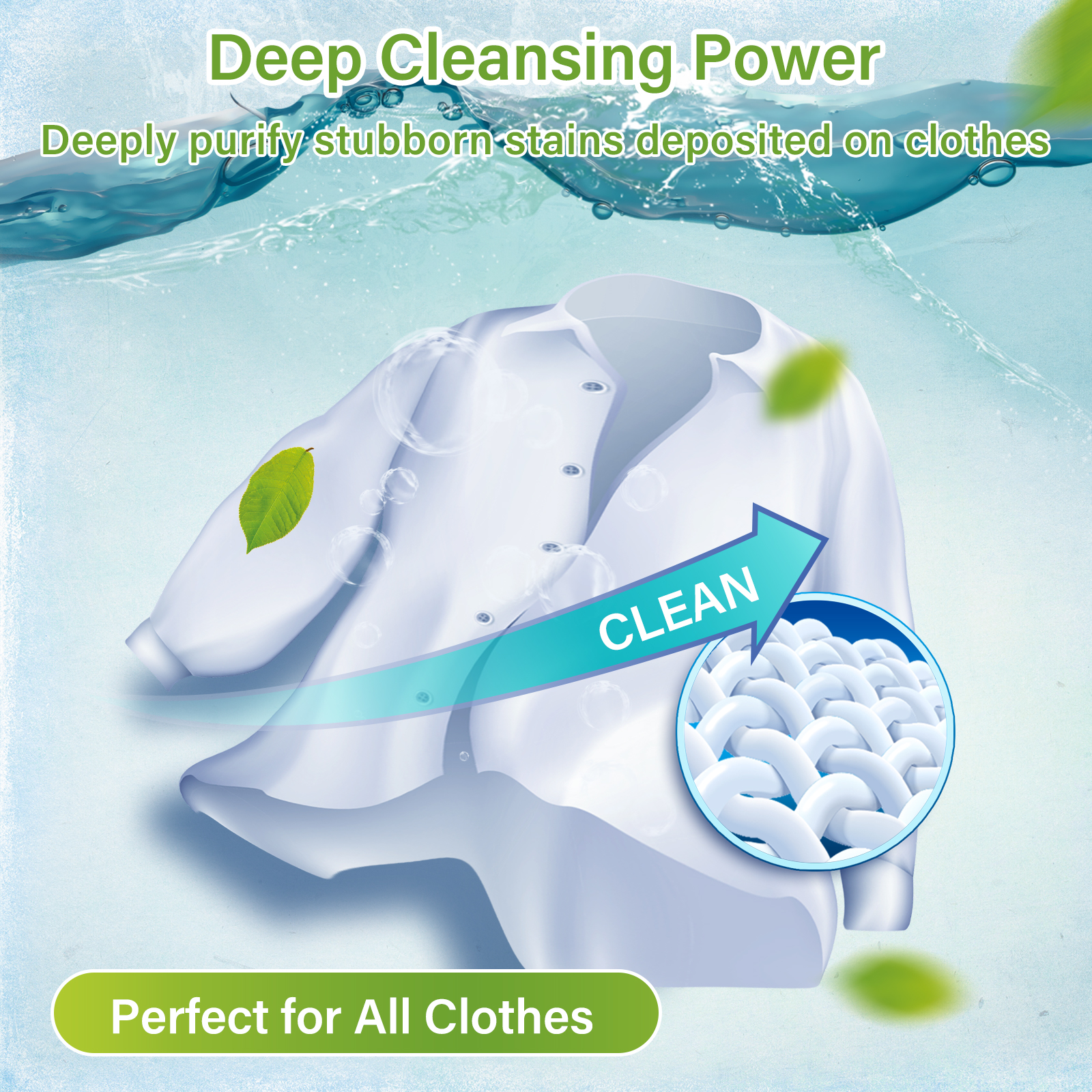
Compact, pre-measured sheets eliminate the need for bulky bottles and messy decanting.
There is no need to move the sheets into an unmarked container to make the space look the part. Kept in their own box, they retain their identity and instructions while the shelf stays composed. The same household rule applies as for any laundry product: keep the box out of sight and reach of children and pets.
Where EcoLenity Fits
Good cleaning product storage is judged by more than the look of an open cupboard. It is judged by whether, in a tired hour or an unexpected moment, everything inside is easy to recognize and safe to use. Matching jars are one way to build a pleasing shelf. Leaving a well-designed package as it was made is another, and sometimes the wiser one.
Frequently Asked Questions
Is cleaning product storage in decorative containers safe?
It is best to keep household chemical products in their original packaging. Transferring them can remove important product identification, safety instructions and warning information.
How should cleaning product storage be handled?
Keep products in their original containers, follow the manufacturer’s storage instructions and keep them out of sight and reach of children and pets. Make sure labels and warning information remain visible. Learn how to fix common laundry issues →
Can I use baskets to organize cleaning products?
Yes. Baskets and shelves can help organize a laundry or utility space, provided products remain in their original packaging and their labels and instructions remain accessible. See how to handle stains safely →
How can I keep a laundry room organized without bulky detergent bottles?
Compact formats such as laundry detergent sheets take up less storage space than traditional liquid detergent bottles. Keep them in their original packaging and store them according to the manufacturer’s instructions. Learn how long detergent sheets last and how to store them →
Experience the EcoLenity Difference
Gentle on fabrics. Kind to the planet. Discover why families trust EcoLenity for premium, sustainable laundry care.
Shop EcoLenity TodayPremium Resources
Curated guides to help you go deeper — from building a sustainable home to mastering your laundry routine.