
The Stain That Survives the Wash: How to Remove Set-In Stains Without Ruining Your Clothes
You lift a favourite shirt out of the washing machine, hold it up to the light, and there it is. The stain is paler, perhaps, but unmistakably still there.
The instinct is to run it through again, hotter this time. Resist it.
A stain that survives one wash is telling you something. It may need a different treatment, not a stronger cycle. Understanding what caused it is the first step toward giving the garment another chance — and a practical lesson in how to remove set-in stains.
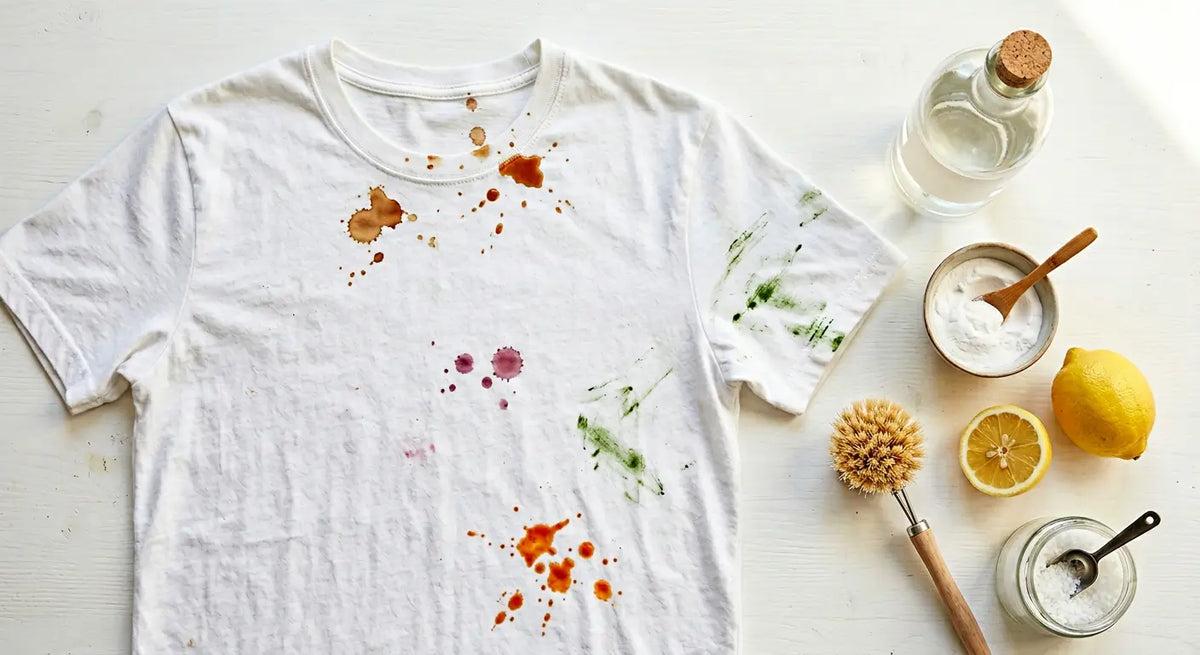
A stain that survives one wash needs a targeted approach.
Table of Contents
How to Remove Set-In Stains: Top 5 Proven Methods
Stains behave differently depending on what caused them. Oil and grease cling to fibres and resist plain water. Protein-based stains, such as blood, egg and milk, can become harder to remove when exposed to heat. Coffee, tea and red wine can leave stubborn discolouration that ordinary washing may not fully lift.
Time works against you, too. As a stain dries, its residue can become more difficult to remove. A normal wash might lift some of the mark while leaving the rest behind. That is why a garment can look clean when wet, only for the stain to reappear once it dries. Here is exactly how to remove set-in stains using the five proven methods below.
Check the Label and Identify the Culprit
Knowing how to remove set-in stains starts with the garment’s care label and the stain itself. Cooking oil calls for a different approach than coffee, and a cotton shirt can tolerate treatments that may damage wool or silk. If the garment has already been through the dryer, the stain is not necessarily permanent, but heat may have made removal more difficult. Test any stain remover on a hidden seam first.
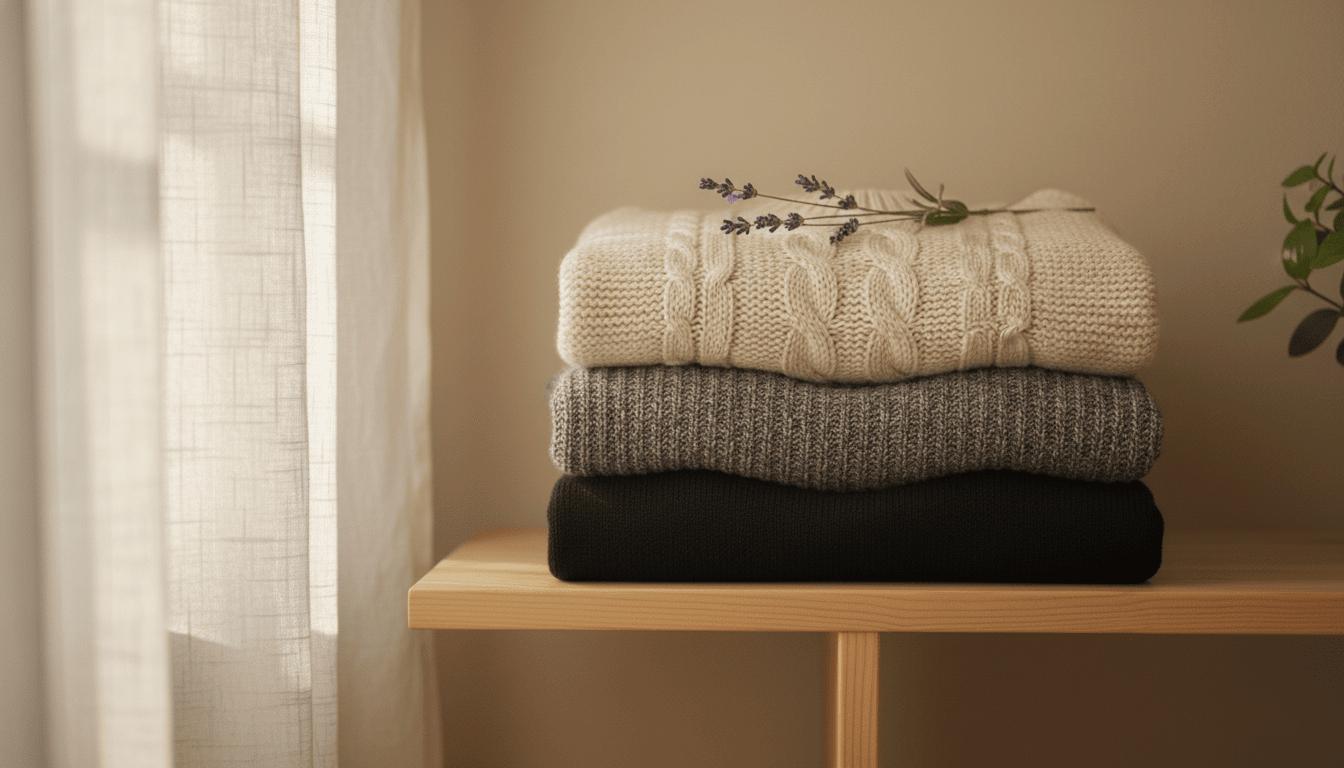
Always check the care label — delicate fabrics like wool and silk need gentler treatments.
Blot, Don’t Rub
When figuring out how to remove set-in stains effectively, blot excess residue rather than rubbing it deeper into the fabric. Where practical, work from the back of the stain to help loosen it from the fibres. Aggressive scrubbing can spread the mark and roughen the material until the damaged patch becomes more noticeable than the original stain.
Treat Grease and Oil with an Absorbent
For grease, gently remove excess oil and consider applying cornstarch to absorb some of the residue before brushing it away. Follow with a pre-treatment designed for grease and suitable for the fabric. Our guide to how to pretreat laundry stains walks through the approach for common spills.
Use Cool Water for Protein Stains
For blood and other protein-based stains, begin with cool water. A suitable enzyme-based stain remover may help, but check its instructions carefully; enzyme products are not appropriate for every fibre, particularly wool and silk. Applying heat to these stains can set them permanently, making this a critical step in how to remove set-in stains successfully.
Flush and Pre-Treat Beverage Stains
For coffee, tea and wine, blot first and flush with cool water where the fabric permits. Then use a stain remover suited to the garment. Oxygen-based products may help with certain washable fabrics, but check colourfastness and the product directions before use. Give the pre-treatment the recommended time to work.
A Better Routine Begins With the Right Treatment
Mastering how to remove set-in stains means letting pre-treatment do the targeted work. The wash that follows should be the simple part of the routine: measured, consistent and suited to the clothes you own. Inspect the garment in good light before putting it in the dryer. If the stain remains, repeat a suitable treatment rather than adding heat.
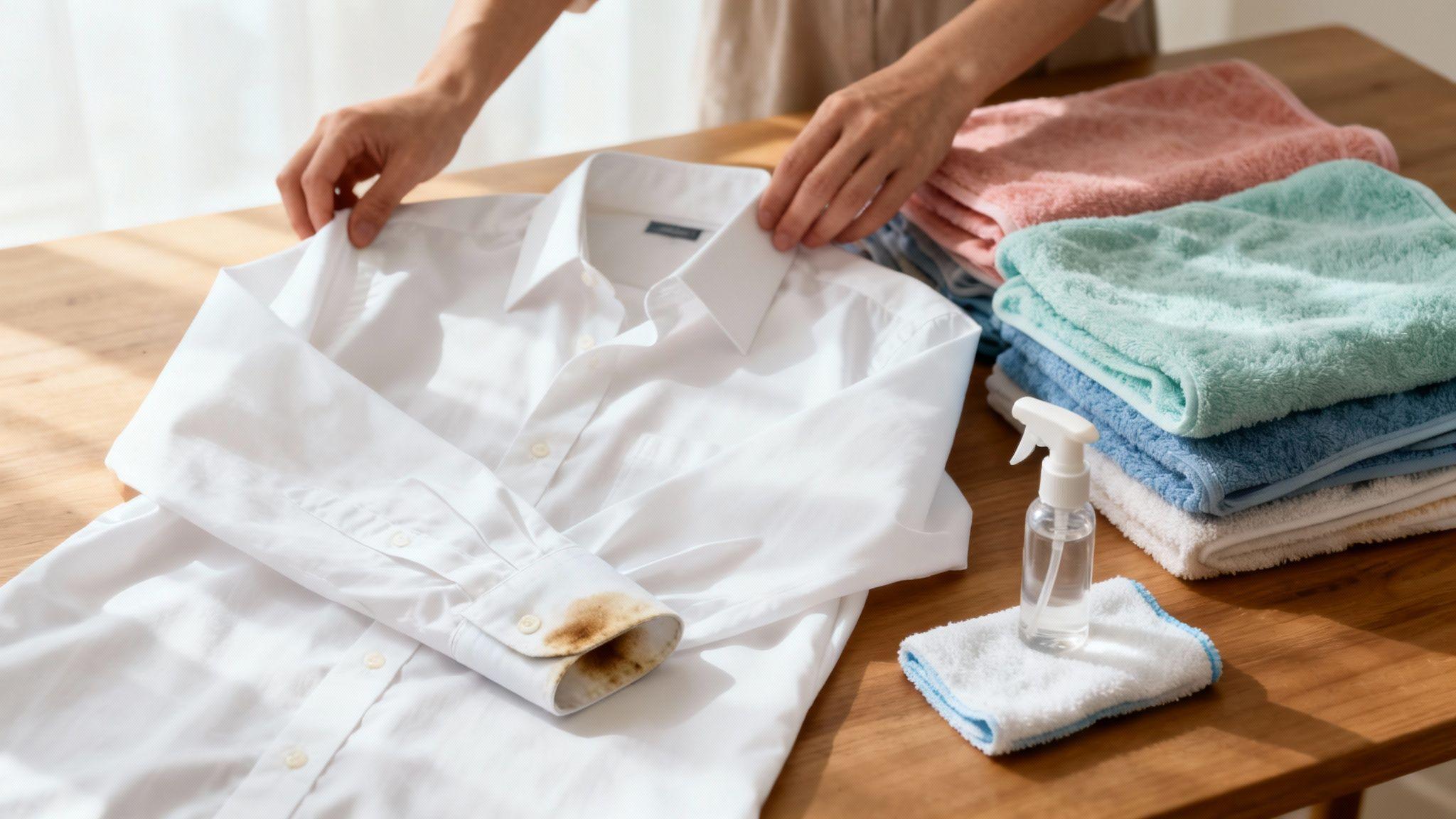
Targeted treatment does the hard work; the wash routine stays simple.
EcoLenity‘s plastic-free laundry detergent sheets are designed for everyday laundry, helping simplify the regular loads that fill a household’s week. They are pre-measured, eliminating the need to pour liquid detergent or estimate a dose from a cap. Larger loads, such as bedding and towels, call for two sheets according to our product guidance. Each box contains 64 sheets and has a five-year shelf life, making storage straightforward.
EcoLenity sheets handle the weekly loads. Targeted treatments handle the rest.
But we believe in being clear about what a product does. Detergent sheets clean the everyday load; they are not a substitute for a targeted stain remover. A stubborn mark deserves the right treatment before washing. You can see how proper dosing fits into the broader picture in our guide to how laundry scent boosters work.
That small distinction can make laundry feel less like guesswork and more like thoughtful care.
The most sustainable piece of clothing is often the one you keep wearing. Sometimes, keeping it begins with resisting the urge to wash it again. Knowing how to remove set-in stains properly is part of that care.
Frequently Asked Questions
Can set-in stains still be removed?
Often, yes. Results depend on the stain, fabric and whether heat has affected it. Some stains permanently alter the dye or fibres, so improvement is possible but complete removal cannot be guaranteed.
Should I use hot water on stubborn stains?
Not automatically. Hot water can make some protein-based stains, including blood, harder to remove. Check the garment’s care label and use a temperature appropriate for both the stain and fabric.
Why should I check clothes before putting them in the dryer?
Heat may make some remaining stains more difficult to remove. Inspect the garment after washing and repeat a suitable treatment if necessary before machine drying. Learn how to prevent stiffness and residue on fabrics →
Can detergent alone help me learn how to remove set-in stains?
No. Regular detergent helps clean clothing, but stubborn marks may need a targeted pre-treatment. The appropriate method depends on the stain and the fabric. See how to wash bulky items like comforters →
Experience the EcoLenity Difference
Gentle on fabrics. Kind to the planet. Discover why families trust EcoLenity for premium, sustainable laundry care.
Shop EcoLenity TodayPremium Resources
Curated guides to help you go deeper — from building a sustainable home to mastering your laundry routine.