The Green Label Trap: Can You Really Trust an “Eco-Friendly” Product?
Greenwashing is easy to spot once you know the pattern: walk down any household aisle and the colour does the talking. A leaf on the bottle. A soft green wash across the label. Words like “natural” and “planet-friendly” in a calm, reassuring typeface. Before you have read a single ingredient, the package has already told you how to feel.
Brands know this. As sustainability has become part of everyday shopping, environmental language has turned into one of the most persuasive things a label can carry. The more useful question is whether the product delivers what its packaging suggests.
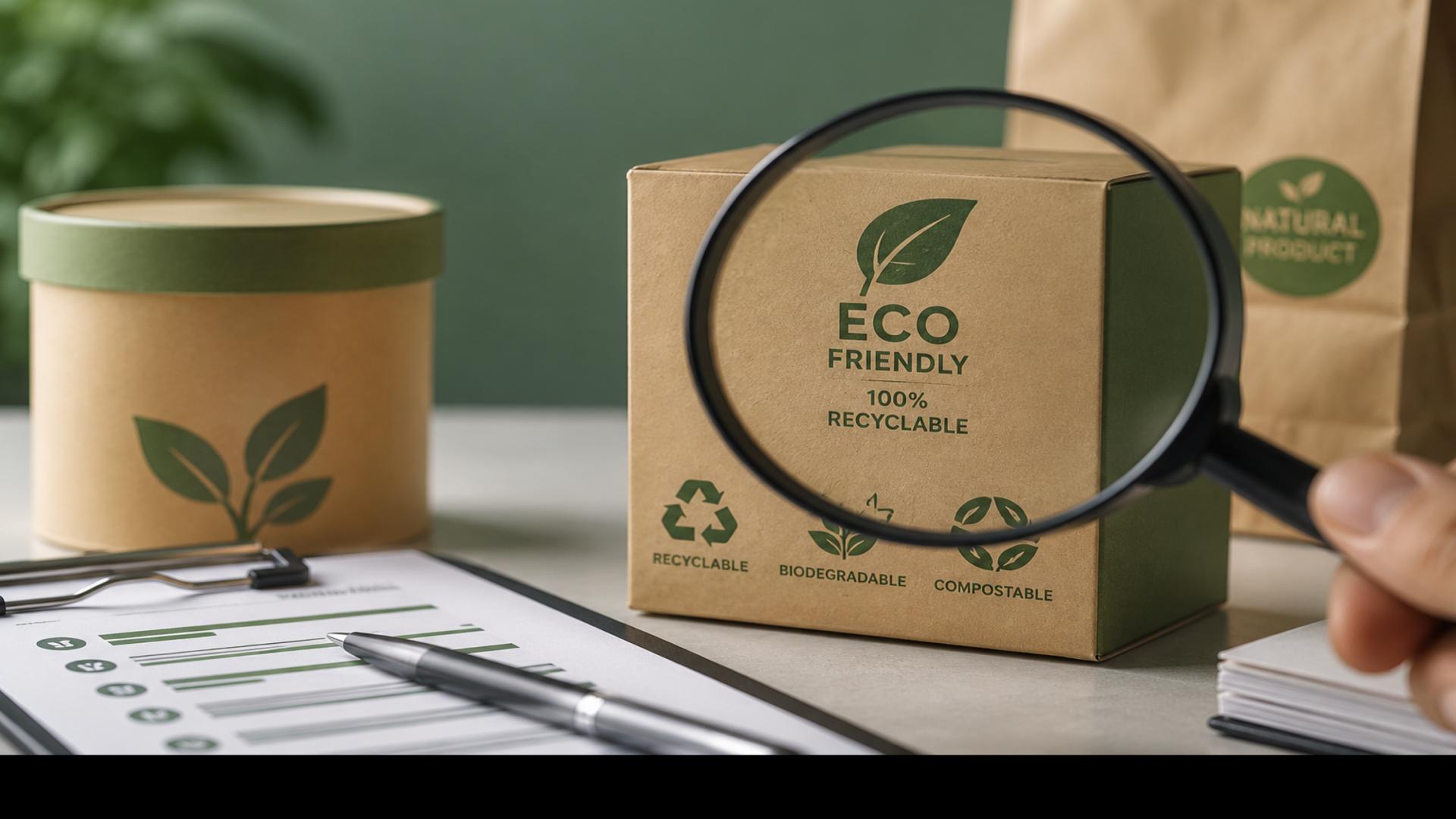
A green label can tell you how to feel before you’ve read a word of the ingredients.
Table of Contents
Greenwashing: When Green Sounds Better Than It Is
That gap between impression and evidence is what we call greenwashing: marketing that leaves people with a misleading picture of a product’s or company’s environmental benefits. The Competition Bureau of Canada defines it as any environmental claim that is deceptive because it is false, misleading, or not adequately and properly tested or substantiated where required.
It rarely arrives as an outright lie. More often, it is a vague phrase that sounds meaningful but explains very little, or one true detail standing in for the whole story. A bottle may use recyclable plastic while its formula, manufacturing and disposal go unmentioned. Even an accurate statement can mislead when the wording and imagery imply a far broader benefit than the evidence supports.
What Canada and Europe Now Expect
Canada’s rules have shifted recently. On March 26, 2026, Bill C-15 received Royal Assent and amended the Competition Act, removing the requirement that certain environmental claims about a business or its activities be supported by an internationally recognized methodology.
That does not mean businesses can make environmental promises without evidence. The Competition Bureau still requires adequate and proper substantiation for business-level claims, while claims about a product’s environmental benefits remain subject to adequate and proper testing. The Bureau continues to assess the overall impression a claim creates, not simply the words on the package.
Europe has moved in a similar direction. Directive (EU) 2024/825 began applying on September 27, 2026, strengthening consumer protection against vague environmental claims and misleading sustainability labels. The directive bans generic claims such as “eco-friendly” without recognised proof.
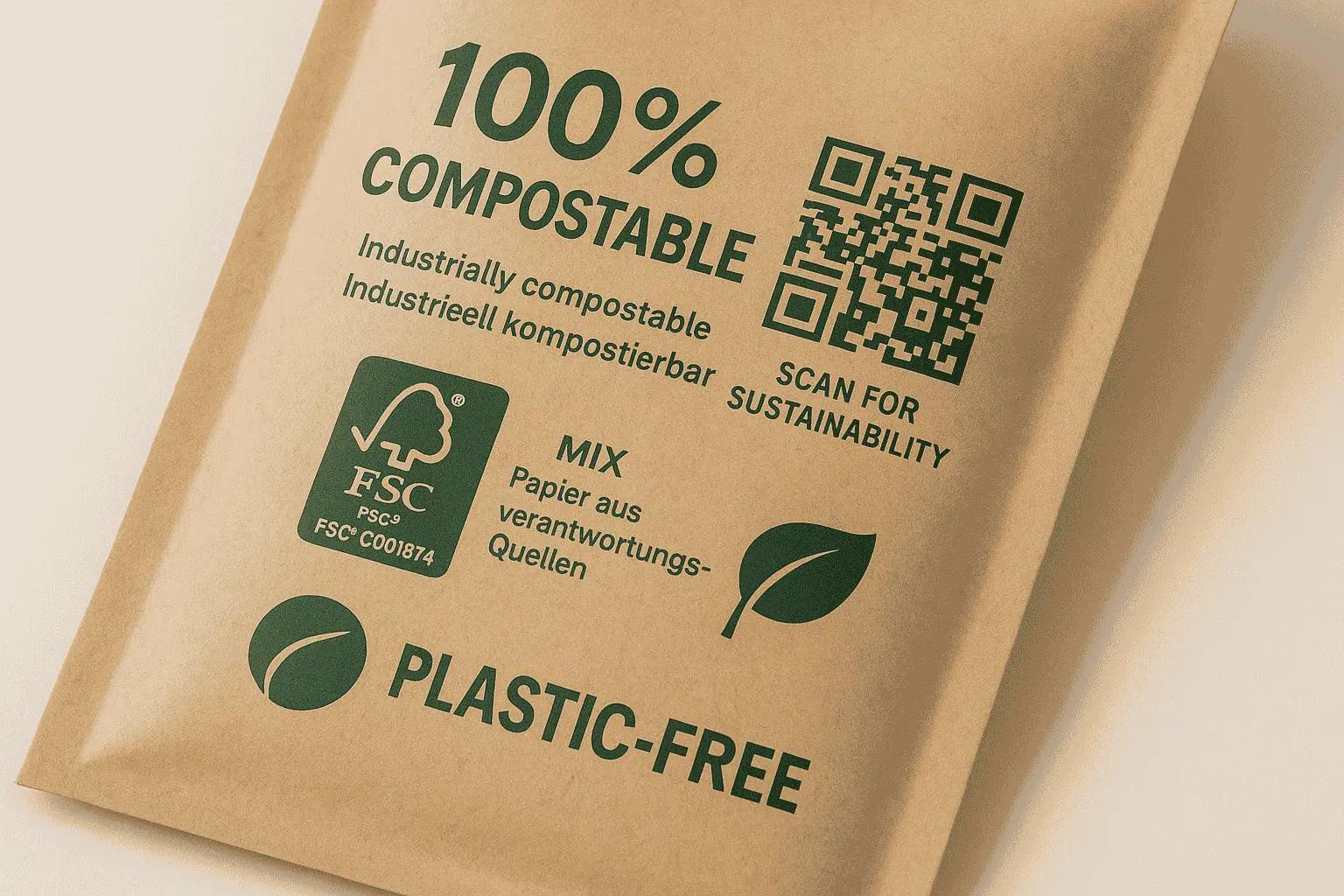
Vague claims and nature imagery are common tools of greenwashing.
Reading a Label with Care
You do not need to be an environmental scientist to read a label well. A few plain questions go a long way.
Start with what is actually being claimed. “Made with 30% recycled material” names something measurable. “Eco-friendly” tells you very little on its own.
Then ask where the claim stops. Recyclable packaging does not mean every component can be recycled everywhere, and some recycled content is not the same as all recycled content.
Look for evidence: a clear explanation, a credible certification or an account of what was measured. A green badge is not proof on its own.
Finally, check whether one feature is being asked to speak for the entire product. One environmental improvement does not establish that a product is sustainable in every respect. If a claim feels too good to be true, it often is.
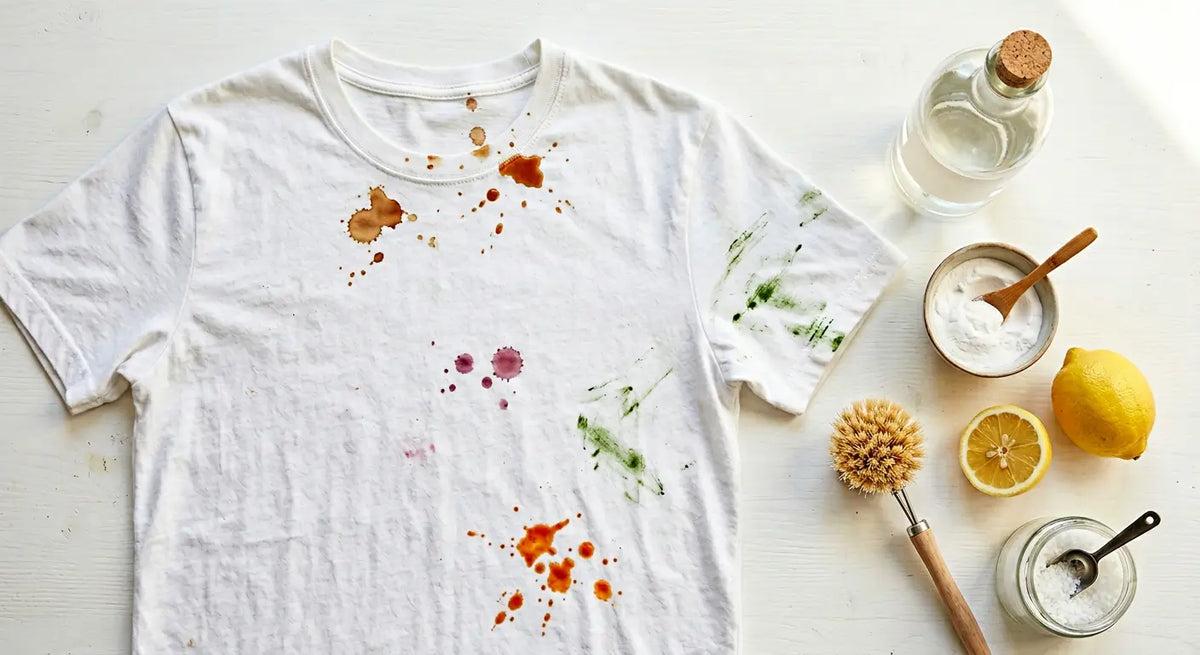
A product’s real performance matters more than the colour of its label.
Where EcoLenity Draws the Line
At EcoLenity, we try to hold ourselves to the same questions. Care for the home includes being precise about what a product can honestly promise.
Our detergent sheets come pre-measured: one sheet for a regular load, two for larger loads such as bedding and towels. Each box holds 64 sheets and has a five-year shelf life. Those are details you can check against the box and your own laundry routine.
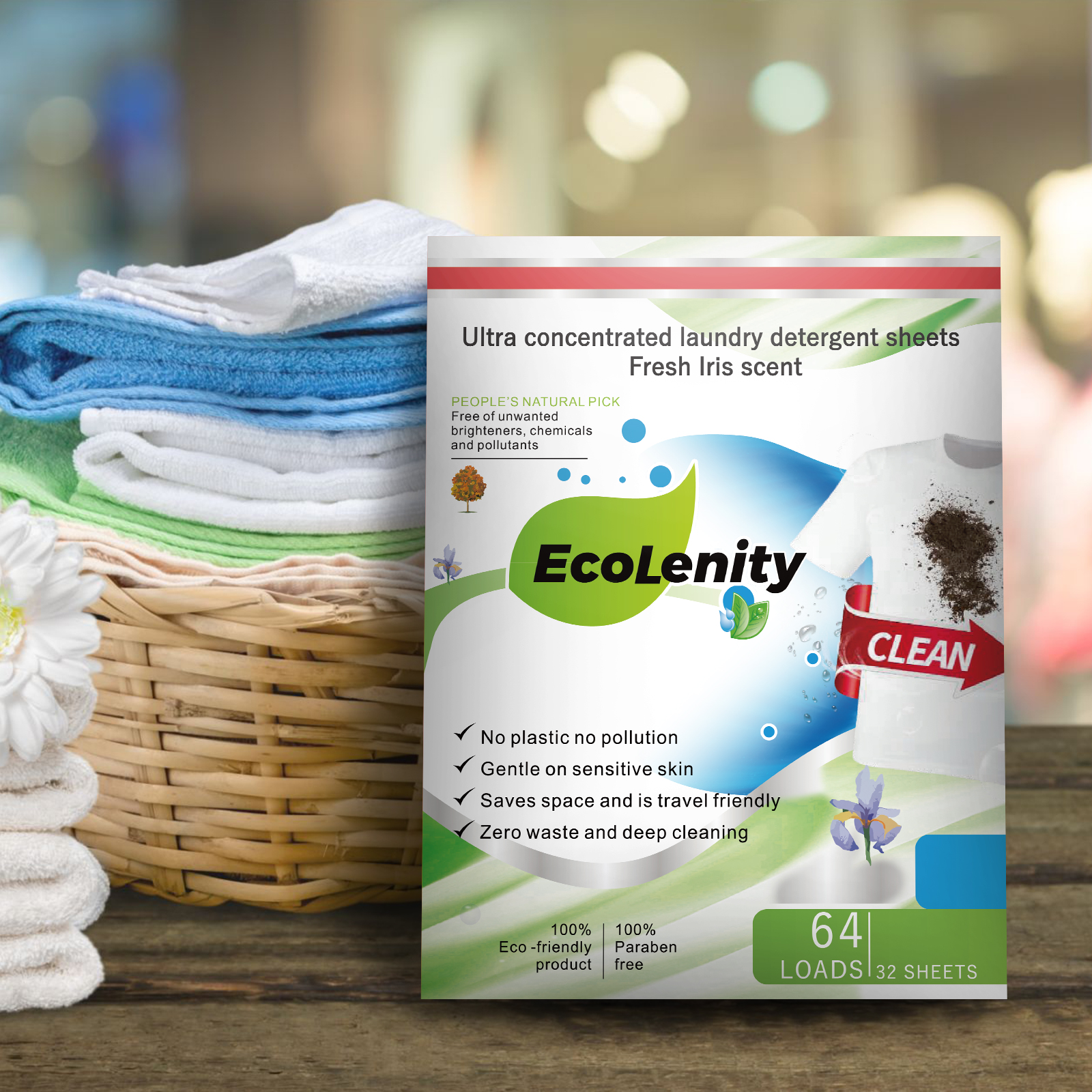
Honest product design starts with what you can verify.
What they do not do on their own is prove a lower environmental footprint across manufacturing, transport and disposal. That would take evidence, and we would rather say so plainly than let a green label imply it. Trust is built less by adding green language to a package than by explaining what a product does and standing behind only what can be supported.
If you want to understand how the product fits into a broader routine, our guides on why clothes feel stiff after washing and how to wash wool sweaters explain the practical side without the marketing gloss.
Look Beyond the Green
A thoughtful purchase begins with curiosity. Instead of asking whether a product looks sustainable, ask what makes it so. The most responsible choice is rarely the one with the greenest packaging. It is the one whose claims hold up under a closer look.
A better home is built on choices we can feel confident about, not on attractive promises.
Frequently Asked Questions
What is greenwashing?
Greenwashing is marketing that gives consumers a misleading impression of a product’s or company’s environmental benefits, often through vague language, exaggerated claims or selective information. Learn how to fix common laundry issues →
How can I tell if an eco-friendly product is genuinely sustainable?
Look for specific environmental claims, supporting evidence, transparent material information and credible certifications. Be cautious of broad promises that do not explain what makes the product environmentally beneficial. See how to simplify larger laundry tasks →
Are products labelled natural or recyclable automatically sustainable?
No. These terms describe particular characteristics, not a product’s overall environmental impact. Materials, manufacturing, packaging, transportation, use and disposal all matter. Learn how to pretreat stains before washing →
What does Canada’s Competition Bureau say about greenwashing?
The Competition Bureau says environmental claims must not be false or misleading. Product environmental-benefit claims must be based on adequate and proper testing, while business-level environmental claims must have adequate and proper substantiation. Read our guide to caring for towels →
Experience the EcoLenity Difference
Gentle on fabrics. Kind to the planet. Discover why families trust EcoLenity for premium, sustainable laundry care.
Shop EcoLenity TodayPremium Resources
Curated guides to help you go deeper — from building a sustainable home to mastering your laundry routine.