
Are Your “Plastic-Free” Laundry Sheets Actually Microplastic-Free?
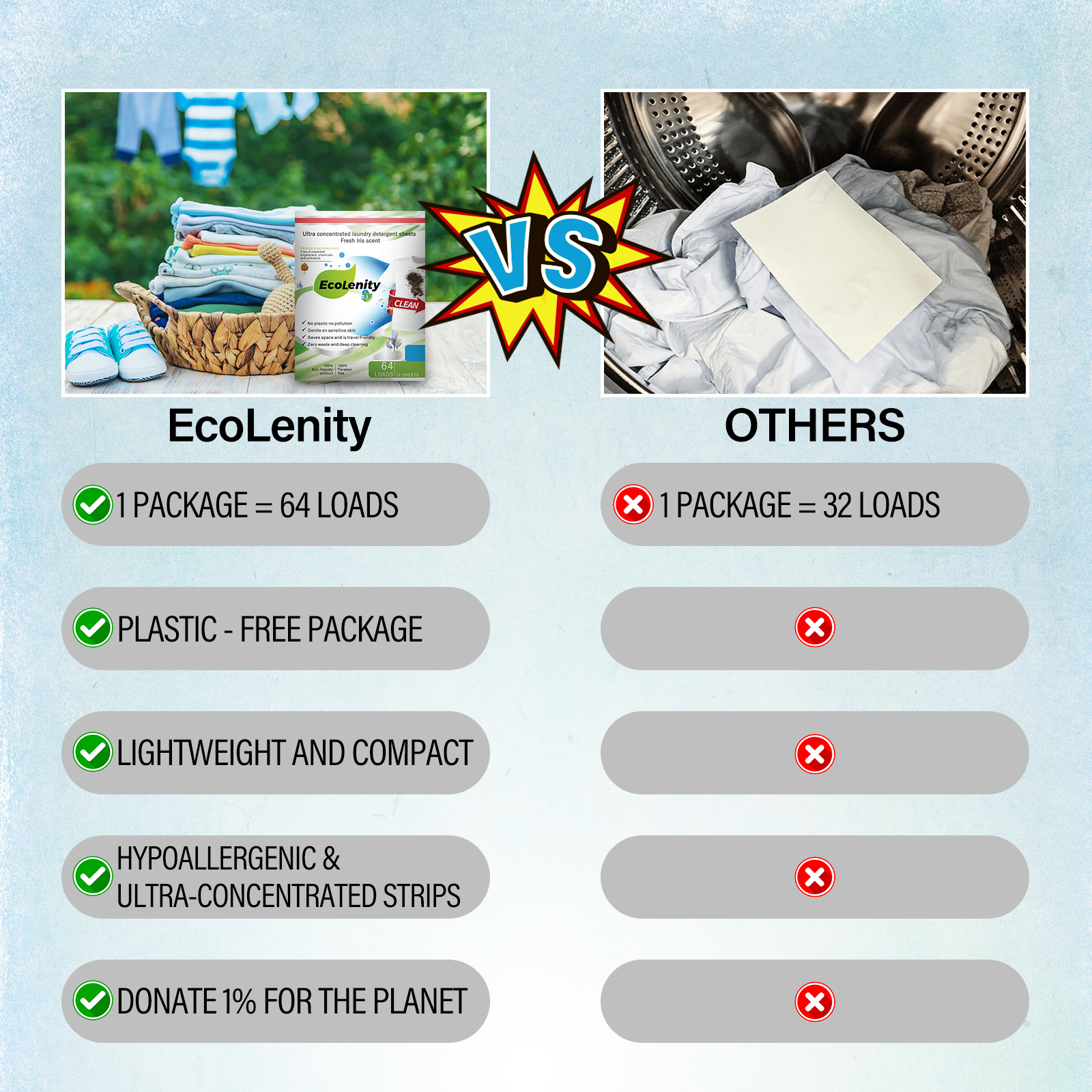
What’s really dissolving?
A product can arrive in a package smaller than a deck of cards, replace a bulky plastic detergent bottle, and dissolve completely in the wash — and still leave people wondering what, exactly, is going into the water.
Many eco-conscious shoppers wonder are laundry sheets microplastic free when making the switch away from heavy liquid detergent jugs.
That question has made one word hard to avoid in the laundry aisle: microplastics.
So, are laundry detergent sheets made with microplastics?
The honest answer is more complicated than yes or no — and the complication is worth understanding.
Are Laundry Sheets Microplastic Free or Do They Contain PVA?
When examining whether laundry products harm aquatic life, many shoppers wonder are laundry sheets microplastic free or if the binding ingredients persist in wastewater.
Many laundry sheets and detergent pods use a water-soluble polymer called polyvinyl alcohol, commonly known as PVA or PVOH.
It is used because it can form a thin film that dissolves in water and releases the detergent.
That’s different from the solid plastic fragments people usually picture when they hear “microplastics.”
Research examining detergent-grade PVA has found that, under tested washing conditions, the material dispersed in water rather than behaving like solid plastic particles. In comparison, known nanoplastic particles showed distinct particle structures.
That distinction matters.
It means the simple idea that every detergent sheet breaks apart into tiny plastic particles during washing isn’t supported by the available evidence.
But that doesn’t mean the environmental conversation ends there.
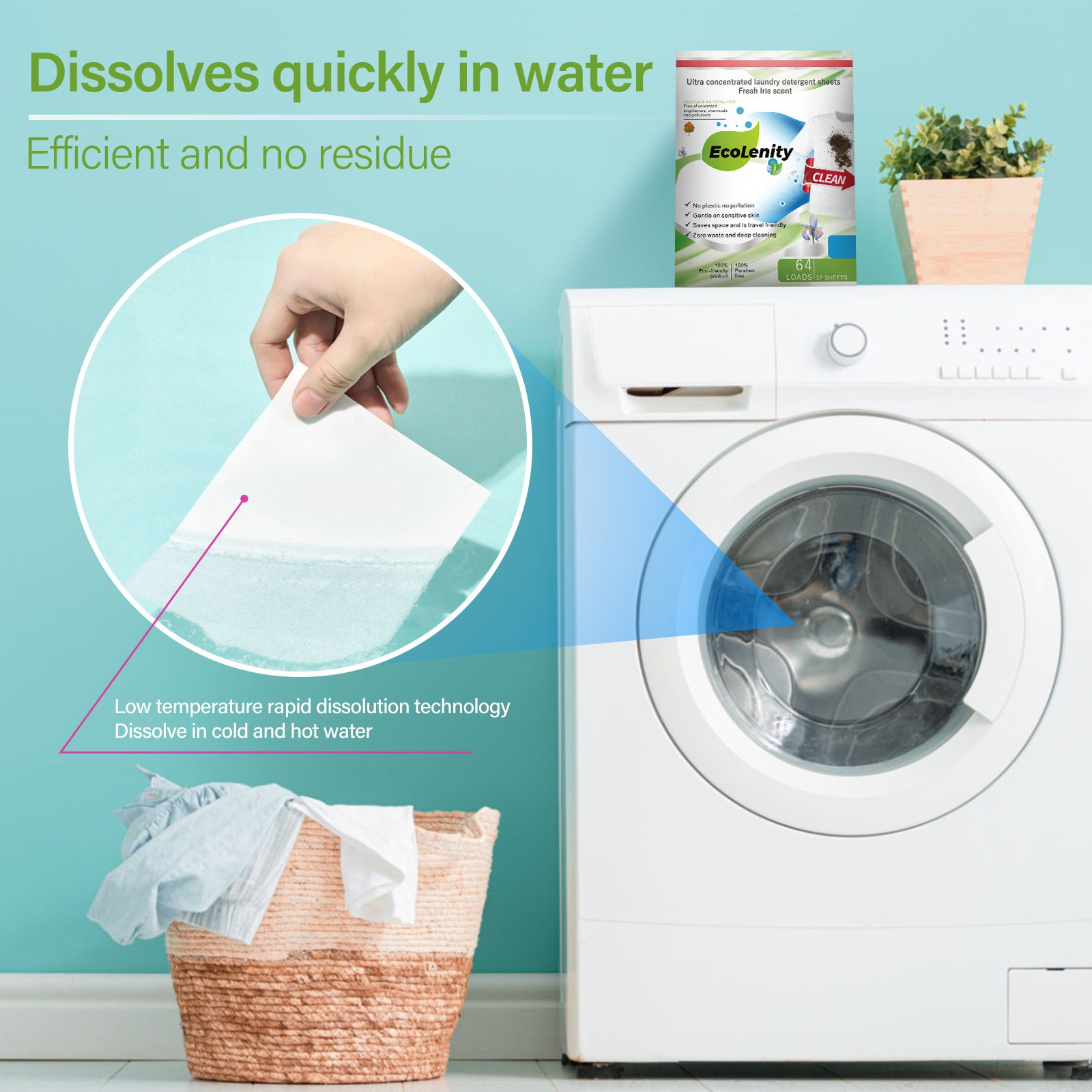
Dissolving isn’t disappearing
When PVA dissolves, it doesn’t simply cease to exist. It enters the wastewater system in dissolved form, and what happens afterward depends on the specific polymer, its formulation, and wastewater-treatment conditions.
Dissolving Isn’t the Same as Disappearing
When PVA dissolves, it doesn’t simply cease to exist.
It enters the wastewater system in dissolved form, and what happens afterward depends on the specific polymer, its formulation, and wastewater-treatment conditions.
A 2024 study using an OECD wastewater-treatment simulation found high removal of the tested PVOH grade, with an average removal of about 97%. Other researchers have questioned how completely PVA breaks down under all real-world conditions.
That’s why one distinction is important:
Water-soluble and environmentally harmless aren’t automatically the same claim.
Two Different Questions
“Plastic-free” and “microplastic-free” can sound like the same thing.
They’re not.
A laundry sheet marketed with plastic-free packaging may still use a synthetic water-soluble polymer in its formula. At the same time, the presence of PVA doesn’t automatically mean the product is shedding conventional microplastic particles.
Whether a product contains a synthetic polymer — and whether that polymer behaves like persistent solid particles after washing — are two separate questions.
That’s why the label alone doesn’t tell the whole story.
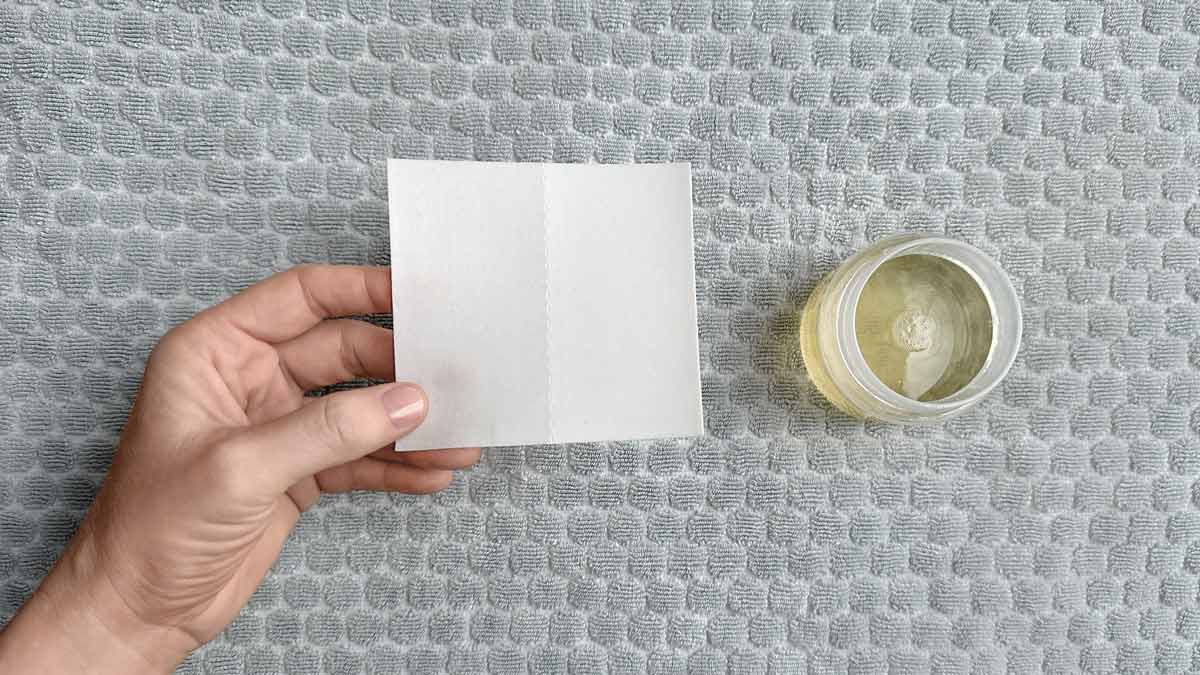
Labels don’t tell the whole story
A product marketed with plastic-free packaging may still use a synthetic water-soluble polymer. That’s why it’s worth looking beyond the label and understanding the full formulation.
What Should Canadians Actually Check?
If the environmental footprint of your laundry routine matters to you, don’t stop at the words “plastic-free.”
Look at the whole product.
Ask:
- What is the detergent sheet made from?
- Is the packaging itself plastic-free?
- Does the manufacturer disclose the formula?
- Does the brand explain what happens after the sheet dissolves?
- Are environmental claims supported by testing?
Transparency matters because sustainability isn’t simply about making a product smaller.
It’s about understanding what happens before, during and after use.
Where EcoLenity Fits
Concentrated laundry formats offer a different approach to an everyday household product.
Traditional liquid detergent is largely water and typically requires a bulky plastic bottle for transportation and storage. Laundry sheets remove much of that bulk and deliver detergent in a lightweight format.
EcoLenity follows that simpler approach with concentrated laundry detergent sheets, plastic-free packaging, and a format designed to remove the traditional detergent jug from the routine.
But the bigger principle goes beyond packaging.
A genuinely thoughtful approach to sustainability should make it easier for consumers to understand what they’re using — not simply give them another green label to trust.
That’s the standard worth holding every “plastic-free” claim to — including ours.

A simpler, more transparent routine
EcoLenity sheets are pre-measured, plastic-free, and designed to dissolve efficiently — so you get a clean wash without the bulk, mess, or uncertainty of traditional liquid detergent.
Understanding are laundry sheets microplastic free helps you evaluate ingredient labels with confidence. Choosing transparent, non-toxic products ensures your laundry routine stays safe for your family and water systems.
To determine if your current eco-friendly routine is truly sustainable, check whether your preferred brands state that their detergent formulations and ingredients are laundry sheets microplastic free.
Frequently Asked Questions
Are laundry detergent sheets made with plastic?
Some laundry sheets use water-soluble polymers such as PVA/PVOH. However, PVA should not automatically be equated with conventional solid microplastics. Research on detergent-grade PVA has found it disperses in water rather than forming detectable solid plastic particles under the tested conditions. Learn how detergent sheets actually work →
Does PVA become microplastics?
Current research does not show that detergent-grade PVA necessarily forms microplastic particles during normal washing. However, environmental fate can depend on the specific polymer and wastewater-treatment conditions. Compare sheets vs. liquid detergent →
Is PVA biodegradable?
Some grades of PVA/PVOH can biodegrade under wastewater-treatment conditions. A 2024 OECD wastewater-treatment simulation found high removal of the tested PVOH grade. However, results can vary depending on the polymer and environmental conditions. Learn why sheets can leave residue and how to prevent it →
What should I look for when buying laundry detergent sheets?
Look beyond the words “plastic-free.” Check the ingredients or material information, packaging, environmental claims, and whether the manufacturer provides evidence explaining how its formula behaves after use. Read why using too much detergent is a common mistake →
Experience the EcoLenity Difference
Gentle on fabrics. Kind to the planet. Discover why families trust EcoLenity for premium, sustainable laundry care.
Shop EcoLenity TodayPremium Resources
Curated guides to help you go deeper — from building a sustainable home to mastering your laundry routine.